

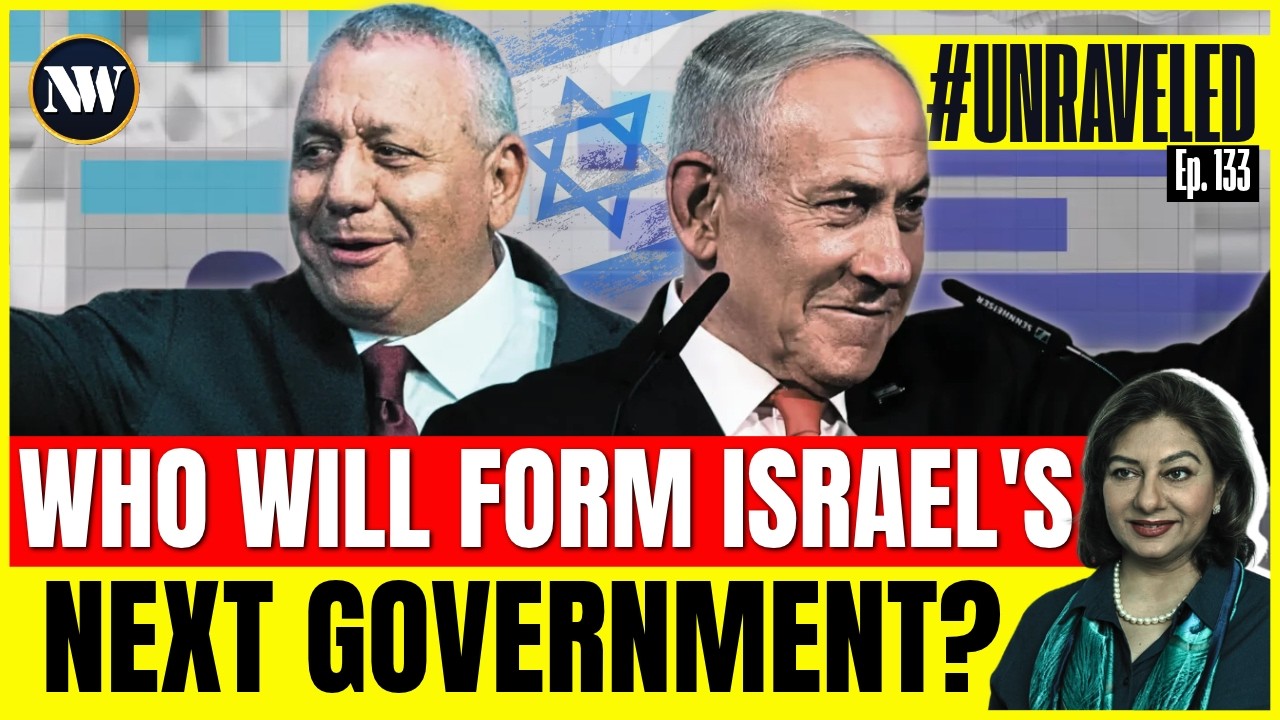
Israel's election results are out, but does winning the election mean winning the right to govern? Not necessarily! In this episode of Unraveled (Episode 133), Marvi Sirmed explains what happens after Israel's election results are announced and how the country moves from counting votes to forming a new government. Israelis elect 120 members of the Knesset, but they do not directly elect their Prime Minister. Forming a government requires parliamentary support, political negotiations and a successful confidence vote. We break down:
- How Israel's government formation process works.
- Why the largest party does not automatically get to govern.
- The President's role in selecting a candidate for Prime Minister.
- The 28-day period and possible 14-day extension.
- Whether 61 seats are actually necessary to form a government.
- What happens if the first candidate fails.
- The second and third attempts at forming a government.
- How political deadlock can lead to another election.
- Why Benjamin Netanyahu could remain Prime Minister during prolonged negotiations.
*The big question:* How long can Netanyahu remain in power, and what happens if no political leader can form a government? Watch this episode to understand the constitutional rules, political negotiations and possible scenarios shaping Israel's next government. Subscribe for more explainers on international politics, geopolitics and world affairs. #IsraelElections #IsraelPolitics #BenjaminNetanyahu #IsraeliGovernment #Knesset #IsraelNews #MiddleEastPolitics #CoalitionGovernment #Geopolitics #Unraveled #marvisirmed