

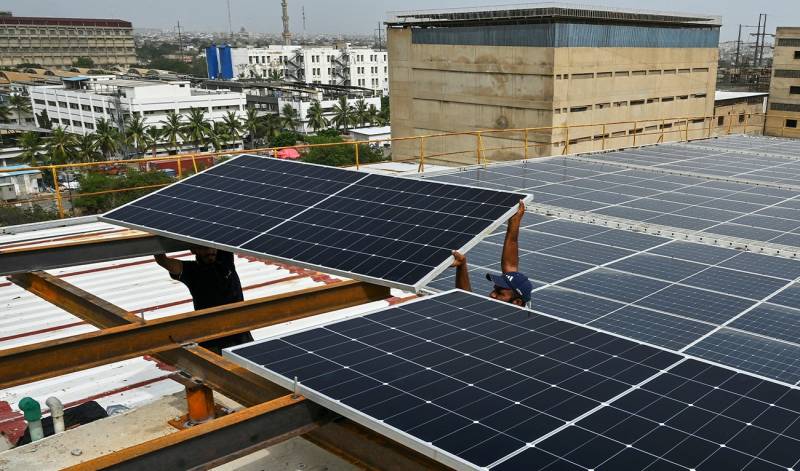
On 17 October 2026, JinkoSolar introduced its new TAC technology and Tiger Neo 5.0 residential module, delivering up to 510W at 25.52% efficiency.
The key point, however, is not only the performance. It is the architecture behind the technology.
TAC combines HJT passivation in the P-region, TOPCon passivation in the N-region, and a front-side metal-free structure with electrical contacts placed on the rear. The first two are passivation methods; the third defines the cell architecture.
This means TAC can be described as a hybrid technology in terms of passivation, but structurally it is still a back-contact, or BC, technology.As long as both electrical contacts are positioned on the rear and the front surface remains free from metal shading, the cell follows a BC architecture.
The significance of TAC is therefore broader than one product launch.
JinkoSolar has long been associated with TOPCon technology, yet its next-generation platform now incorporates a BC structure. This shows that TOPCon and HJT can be used within BC architecture rather than being separate alternatives to it.
The same direction is visible across the industry. LONGi has HPBC and HIBC, AIKO has ABC, Trina Solar has THBC, JA Solar has HBC, Tongwei has TBC, and JinkoSolar has now introduced TAC.
LONGi moved early in this direction, mass-producing BC products since 2022 and building more than 630 BC-related patents. In H1 2026, LONGi’s BC module shipments reached 19.55GW, accounting for more than 65% of its total module shipments.
TAC should therefore not be seen as a technology separate from BC.
It is another BC technology, with a different passivation approach, but the same fundamental rear-contact architecture.
The names may differ, but the industry direction is becoming increasingly clear.