

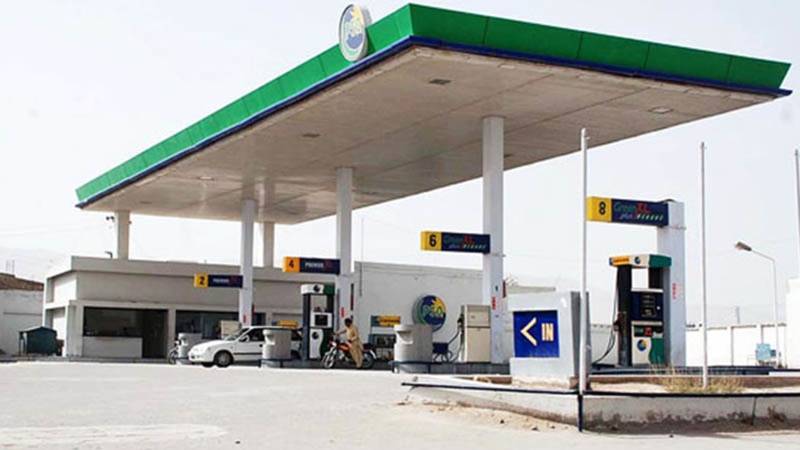
For a government, a fuel price increase is a notification taking effect at exactly 12 midnight. For an ordinary citizen, it is a household budget falling apart before morning. Daily price reviews have turned midnight into another source of financial anxiety, how much more will tomorrow’s journey to work cost? Each increase means cutting groceries, postponing necessities or wondering whether a day’s earnings will survive the cost of earning them. Yet the official explanation remains familiar: international prices have risen, the world is facing a crisis, and Pakistan has little choice.
The contrast between steep increases and negligible relief deepens this frustration. Petrol has seen a single increase exceeding Rs100 per litre, while the reduction announced for October 1 was just 14 paisa. Substantial reductions have also occurred, but relief measured in fractions of a rupee offers little comfort against an unaffordable fuel bill.
Global pressures are real. An importing country cannot escape international oil prices, supply disruptions or exchange rate movements. But a global crisis cannot become a permanent exemption from domestic accountability. The government must explain how much of the burden originates abroad, how much it adds through domestic charges, and what it is prepared to sacrifice before demanding further sacrifice from citizens.
Instead, repeated increases can create the impression that public helplessness has become a policy assumption. The attitude seems almost dismissive, as though the unspoken reasoning were: “Agar hum 1,000 per litre bhi kar dein, toh awaam hamara kya kar legi?” This is an imagined expression of political arrogance, not an attributed statement. It captures the resentment of people whose dependence on fuel leaves them with little room to resist. A delivery rider must keep working; a factory worker must still reach the workplace. Continued consumption proves necessity, not affordability.
The consequences extend beyond vehicle owners. Higher fuel costs put upward pressure on ride-hailing fares, freight rates and delivery charges. Trucks carry food, medicines, manufactured goods and automobiles, while tankers transport fuel itself. Households can therefore pay for the same increase repeatedly through their commute, groceries and essential purchases. Businesses unable to pass on these costs face narrower margins.
A global crisis cannot become a permanent exemption from accountability, and the government must explain how much of the burden originates abroad, and what it adds through domestic charges
The pricing structure reveals why the government is not entirely powerless. The ex-refinery component reflects underlying fuel costs, influenced by international refined-product benchmarks such as Platts and the exchange rate. A recently reported breakdown also includes a petroleum levy of Rs80 per litre, a Climate Support Levy of Rs5, an Inland Freight Equalisation Margin of Rs7.71, an oil marketing company margin of Rs7.87 and a dealer margin of Rs9.98. These figures relate to a particular pricing period; freight adjustments and other inputs can change. Customs duty must also be accounted for in the complete calculation.
The five listed additions beyond the ex-refinery component total Rs110.56 per litre, including Rs85 in petroleum and climate levies. Freight and commercial margins are distinct from government revenue, but the levies demonstrate that a substantial part of the price reflects domestic policy.
Removing the Rs80 petroleum levy would lower the pump price by Rs80 per litre if other components remained unchanged and the reduction reached consumers. Reducing it to an illustrative Rs10 or Rs20 would provide Rs60-Rs70 of relief. The separate climate levy would remain unless independently adjusted. Such measures cannot eliminate international price shocks, but they can make fuel materially more affordable.
There is a fiscal cost. Forgone revenue requires spending restraint, alternative revenue or adjustments consistent with budget and financing commitments. Yet this raises a question of priorities: why should essential mobility remain an easier source of revenue than curbing avoidable expenditure, reviewing unjustified concessions or improving collection from those with greater capacity to pay? A temporary levy reduction, with a published cost and review date, would demonstrate that the state is willing to share the burden.
Targeted assistance must complement this approach. Pakistan has already introduced a fuel relief scheme, but reporting has identified registration difficulties and problems accessing support. The test is whether an eligible rider can actually purchase discounted fuel.
An ordinary citizen can suggest practical improvements: verified motorcycle registration, a defined allowance and payments through familiar banking applications. Implementation requires expertise, but ministries possess staff, funding and technical advisers for precisely that purpose. Why, then, should supposedly qualified ministers be satisfied with a process that leaves beneficiaries struggling? Education and official titles carry little weight when they fail to produce competent administration.
A text message may verify eligibility, but it cannot alone ensure that a station honours the subsidy, prevent duplicate claims or resolve rejected transactions. A rider cannot fill a tank with a confirmation message. The government should publish applications, approvals, successful fuel purchases and failed transactions so that delivery can be judged against announcements.
A stronger motorcycle fuel application could connect verified CNIC and vehicle details to a monthly allowance, with fair arrangements for legitimate users of family-owned motorcycles. At participating stations, the system would check the remaining entitlement and generate a payment request or QR code showing the discounted amount. The rider could pay through Easypaisa, JazzCash or a participating banking app, while the government’s contribution would be recorded separately and settled promptly with the station.
Raast’s interoperable merchant payment infrastructure offers a foundation for this approach, although linking payments to subsidy verification would require integration and testing. Receipts should record the quantity purchased, subsidy applied and amount paid. Assisted registration, free SMS verification and alternative payment arrangements must remain available to people without smartphones or digital accounts.
Motorcycle assistance alone, however, cannot address the wider transportation burden. Motorcycles serve urban and rural communities, but trucks and other commercial vehicles carry the bulk supplies on which markets, hospitals and businesses depend. Transporters moving essential goods should therefore qualify for targeted, temporary diesel assistance tied to verified vehicles, documented deliveries and reasonable consumption allowances.
That support must benefit consumers. Participating operators should accept transparent freight rates reflecting the subsidy received, with delivery records and audits establishing whether transportation charges are actually moderated. Small operators need an accessible registration route, while essential passenger transport could receive similar assistance linked to affordable fares. Published budgets, review dates and stock reconciliation would help contain costs and detect misuse. Over time, better public transport and more efficient freight, including rail where practical, would reduce dependence on expensive road fuel. Immediate relief should protect livelihoods while these investments reduce exposure to future shocks.
The government cannot control the world’s oil markets. It can reconsider the levy, explain its pricing decisions and ensure that assistance reaches those who need it. A global crisis tests the competence of those in office. It does not excuse its absence.