


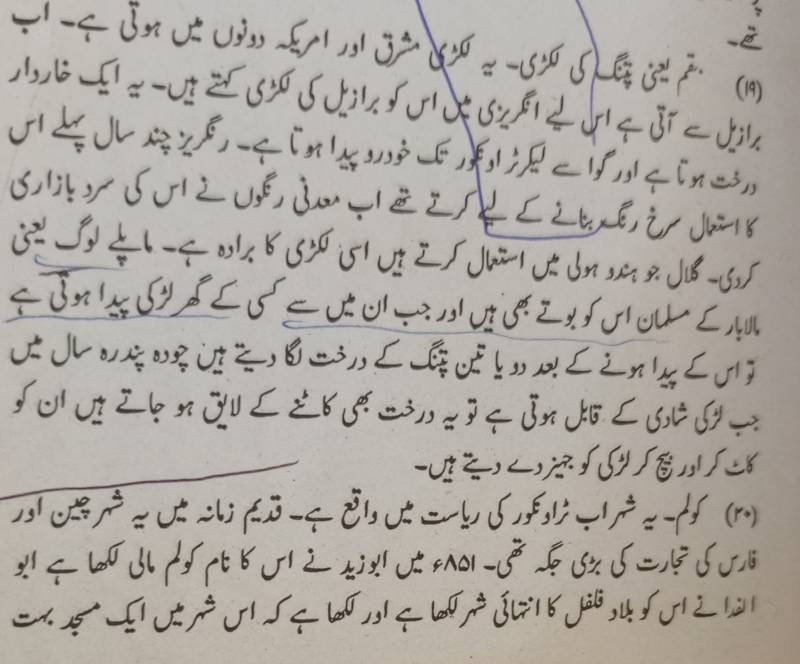
In the fourteenth century, the traveler Ibn Battuta passed along the Malabar coast of India. In his travelogue, as rendered in Urdu by Muhammad Hussain on page 321, he recorded a tradition that has stayed in my mind for years. He wrote that among coastal Muslim families, when a daughter was born, the household planted two or three Pattang trees. The trees were tended with care for fifteen years. When the time of marriage arrived, the mature yield of timber, fiber and fruit was sold. That income paid for the dowry and helped establish a new home without debt. It was not simply agriculture. It was a form of green insurance from the middle ages, where family security and forest wealth grew at the same pace.
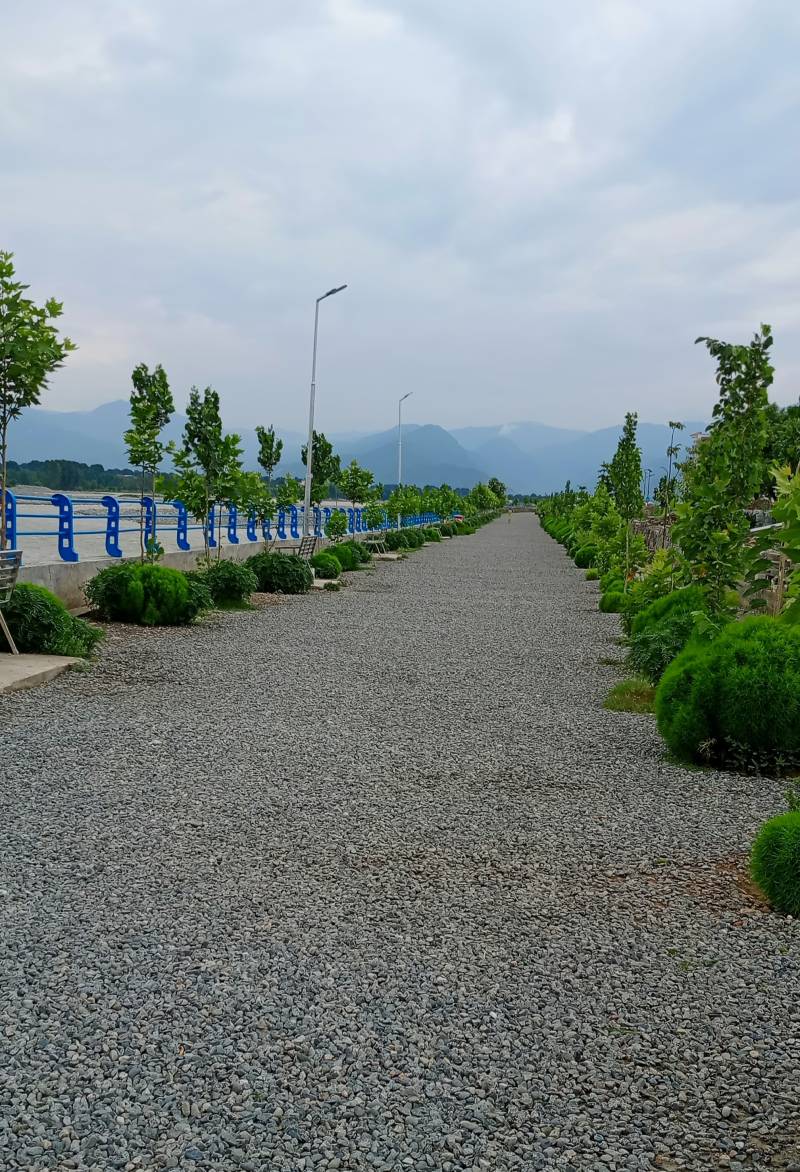
Six hundred years later, Pakistan needs that old wisdom more than ever. We live on the front line of climate change. Every year we face flash floods, hills that slide after rain, water tables that sink lower, and forests that vanish due to illegal cutting, fire and timber mafias. The government launches one plantation drive after another. Yet one basic question remains unanswered. Why does our conservation policy ignore the human reason to protect a tree?
Years ago, fellows of our Rotary Club of Swat sat in a meeting with Mr Wajid Ali Khan, former Environment Minister of Khyber Pakhtunkhwa and senior officials of the Forest Department. We shared an idea drawn from that account of Ibn Battuta. It was suggested that the department identify barren hill tracts and idle communal wastelands that lie unused across the province. Small patches of that land could be allotted to local families. For every newborn child in a family, the household would plant and raise twenty to forty native trees suited to the area. Walnut, olive or deodar in mountains, and other indigenous species in dry belts. The ownership of the land would stay as it is, but the family would hold a legally protected right over the trees for long term use. The land is there. Official data proves it.
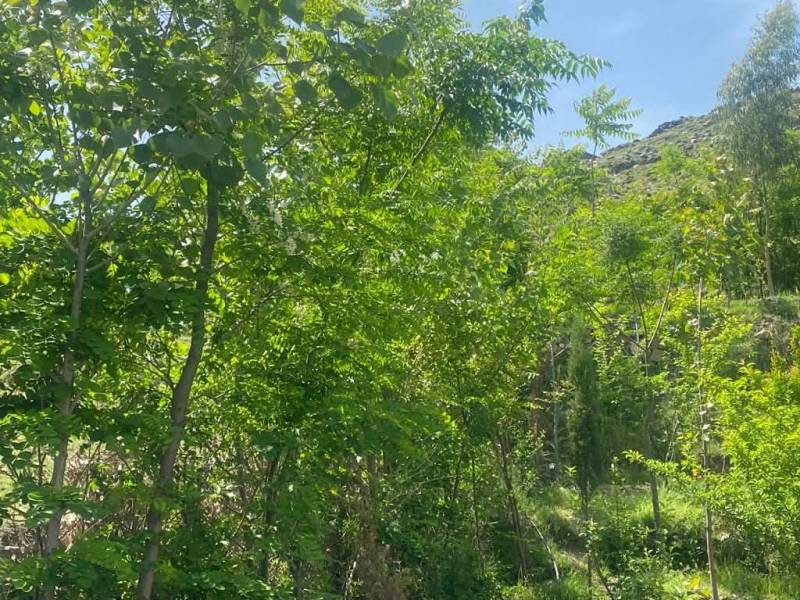
According to the Board of Investment and recent reports, of the total 79.6 million hectares of geographical area of Pakistan, the country has 9.1 million hectares of culturable wasteland that is fit for cultivation but is not utilized due to a lack of irrigation facility and financial resource constraints. About half of this area lies in Balochistan, but large tracts also exist in Cholistan, Bahawalpur and Rahimyar Khan.
Khyber Pakhtunkhwa alone holds a substantial share. According to statistics, based on Pakistan Economic Survey and Crop Reporting Services, culturable waste in the province stands at 1.32 million hectares, which is about 16 percent of the total culturable waste of Pakistan. In simple terms, culturable waste means uncultivated farm area which is fit for cultivation but was not cropped during the year under reference nor in the year before that. It is not desert but land waiting for a purpose, for water, for care and for ownership.
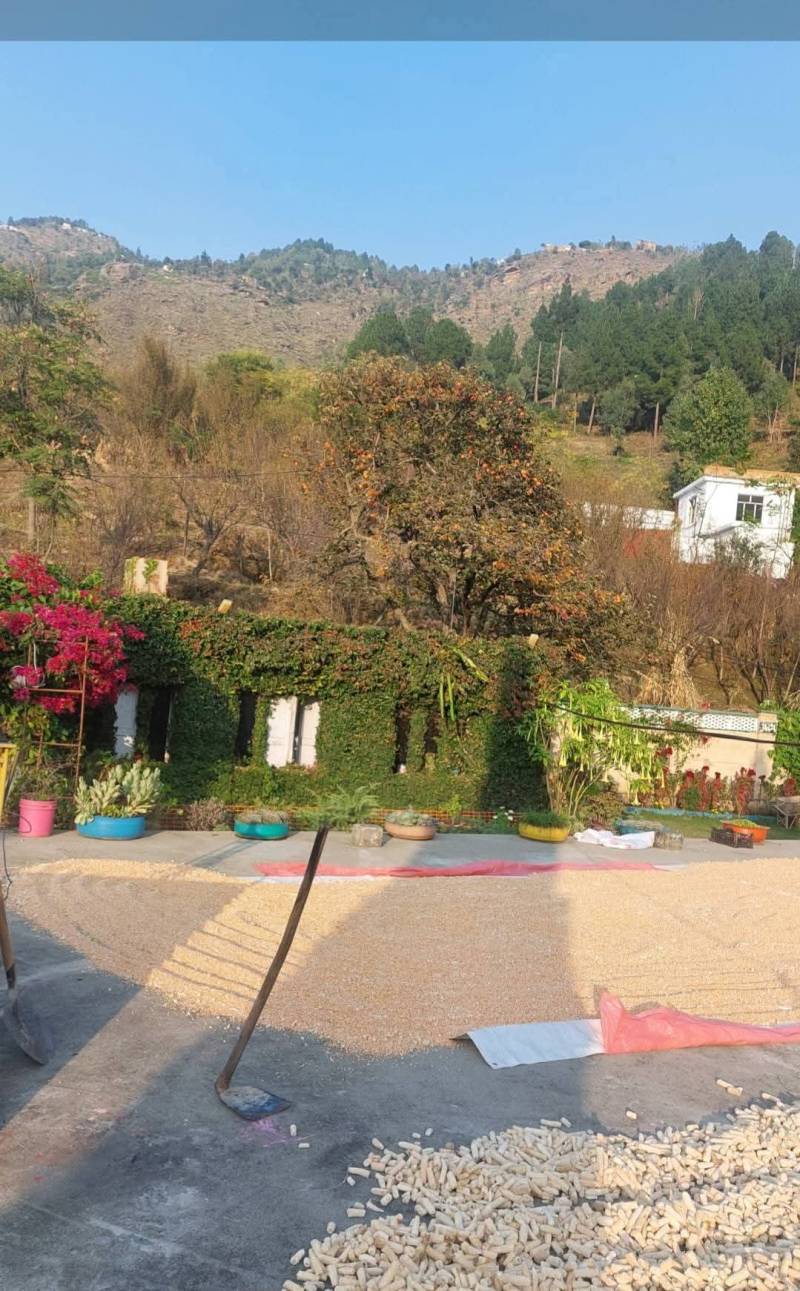
If even ten percent of this culturable waste in Khyber Pakhtunkhwa, around 132,000 hectares, were brought under family tenure forestry with twenty to forty trees per child, we would have more than two million new protected trees in the first generation alone, without touching a single acre of existing farmland or reserved forest. The family could harvest fruit, collect pruned branches for winter fuel, and when needed, selectively cut mature timber to pay for the wedding of a daughter or the university fee of a son. The officials praised the idea. Like many good ideas in our offices, it then fell beneath the weight of routine files.
The real promise of family tenure forestry is not simply more trees. It is a natural savings bank for rural households, a carbon bank for Pakistan and a green safety net that grows alongside the next generation.
Now, with another spring plantation drive near, we have a chance to change the course. Instead of treating the campaign as a ritual of digging holes to meet a number, we can use this season to start pilot family tenure plots in selected districts. If these plots are established during the spring rains, with support from local nurseries and a clear legal paper that guarantees the right of the family, thousands of households will have a direct reason to keep the saplings alive from day one. Pakistan has no shortage of grand drives. The Billion Tree Tsunami and other social forestry programs created awareness. But top down drives share one fatal flaw. No one owns the standing tree. In our villages people call them Yateem Darakht, orphan trees.
In state led projects, saplings are handed out or planted by daily wage workers who are paid to dig and then leave. Once the project budget ends, interest ends. For a poor household facing a freezing winter on a hill, an unguarded government sapling on a common slope does not look like a future forest. It looks like fodder for goats or free firewood for the stove. When people do not own the future benefit, survival rates fall. The state then has to hire guards and watchers, which puts a permanent burden on the public budget. Linking a human life event with the right over a tree is not mere idealism. It has worked in other places.
In Piplantri village in Rajasthan, India, the community plants one hundred and eleven trees every time a girl child is born. Parents make a pledge to protect the trees and to educate the daughter. More than three hundred and fifty thousand trees have turned barren land into a green habitat, raised ground water and helped end child marriage, because the financial future of the girl became tied to the trees. In the nineteen sixties, South Korea faced hills stripped of green cover. The government gave village cooperatives a clear share in the profit from state forests. Within two decades, denuded slopes became forests again, because local people became the most fierce protectors of those forests. This old wisdom also answers a modern question about money from carbon.
Pakistan is now entering the global carbon market. Sindh has earned more than forty million dollars by protecting mangroves under the Delta Blue Carbon project. Khyber Pakhtunkhwa has mapped more than two million hectares for forest carbon projects with a potential value in billions. But who will guard such vast carbon sinks on rugged terrain? The state alone cannot do it. Under current plans, income from carbon from public and communal forests goes to government accounts or to village committees. The individual household that actually lives near the trees and guards them has no direct and personal share linked to a specific standing tree.
If a tree is an orphan, its carbon credit is also an orphan, open to the first axe or wildfire. But if that same tree represents the wedding fund of a daughter, its carbon becomes a double asset. A family in Swat, Dir or Hazara that protects twenty forest or fruit trees can get immediate benefit from fruit and pruning, along with a direct and legally guaranteed share in yearly carbon payments. The government secures its international carbon commitment, the family earns climate income, and the canopy survives. Moving from government funded plantations to family tenure forestry is cheaper, wiser and self enforcing. A family will guard trees that represent the future of a child with far more vigilance than a low paid guard ever can. That shift turns state expense into community wealth. Public funds can then go to research and better nurseries, while rural households gain a natural savings bank to face hard times. Six centuries ago, coastal communities managed life events through trees, not through debt. If a traveler long ago could see that planting for the next generation brings both household security and ecological balance, it is time for our planners today to adopt the same logic. Let us turn barren slopes into green safety nets for our children and carbon banks for the country.