

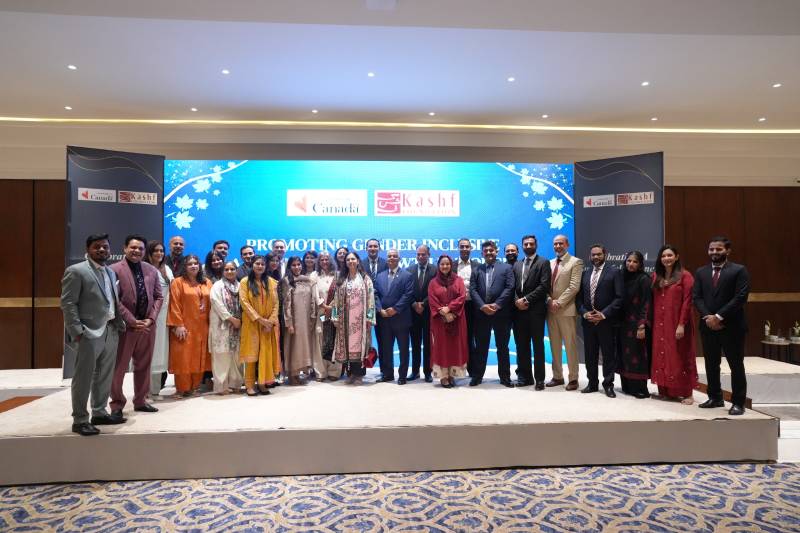
For women entrepreneurs across Pakistan, access to finance can be a powerful catalyst for economic independence. When combined with financial literacy, business development skills and the right support systems, its potential to transform livelihoods becomes even greater.
Over ten years, Kashf Foundation and Global Affairs Canada (GAC) have worked together to strengthen this approach, combining access to credit with practical financial and business education to help women build stronger enterprises, increase their incomes and gain greater control over their economic futures.
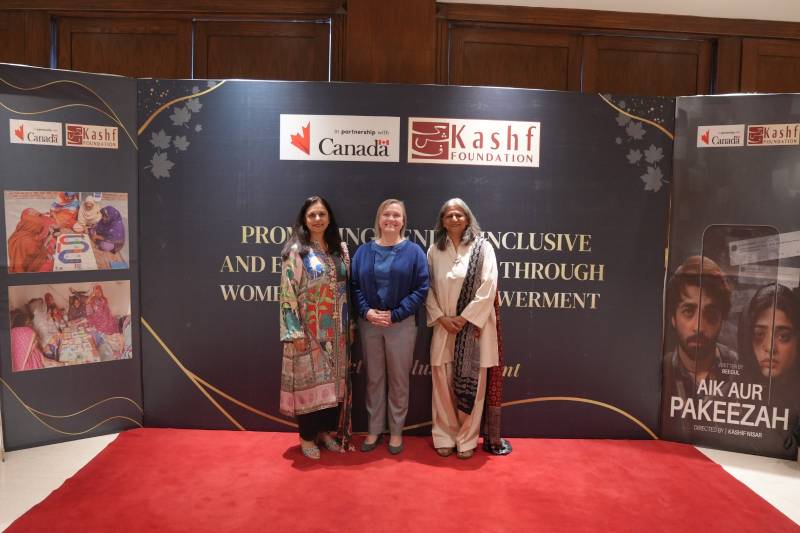
Reaching more than 1.6 million people across 63 districts in all four provinces of Pakistan, the partnership has generated compelling evidence of how an integrated approach to financial inclusion can strengthen women's economic opportunities and create lasting impact.
Credit Is Only the Starting Point
The partnership began from a clear premise: access to finance alone cannot overcome the many obstacles women micro-entrepreneurs face in running viable businesses.
Many women operate enterprises without formal financial training or a grounding in business management. Building those capabilities became the core of the programme.
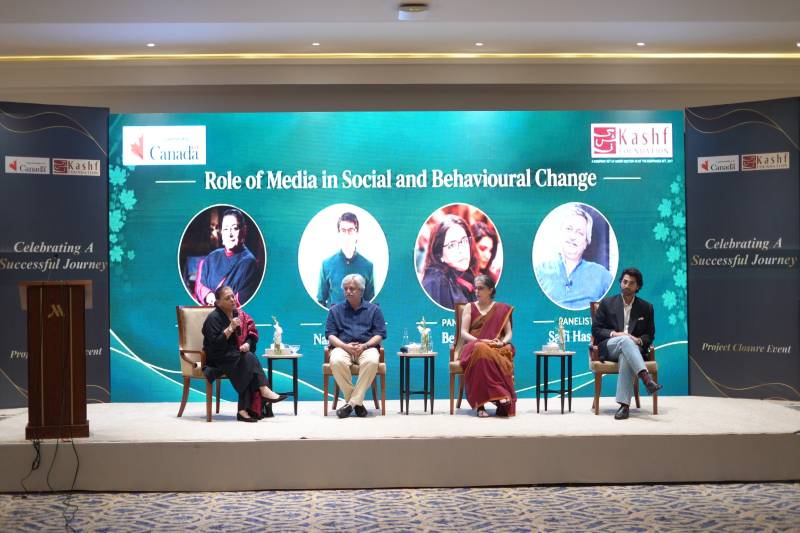
In total, 1.4 million women received support ranging from basic financial literacy to structured financial education and business development training, helping them manage money, oversee their businesses and make better-informed decisions.
Measuring the Difference Training Makes
To understand the results, an independent third-party impact assessment examined 2,596 households across 14 districts.
Its findings show plainly what training adds. Women who received a microloan alongside financial management training increased their incomes by 17% more than borrowers who had not been trained, and saved 34% more.
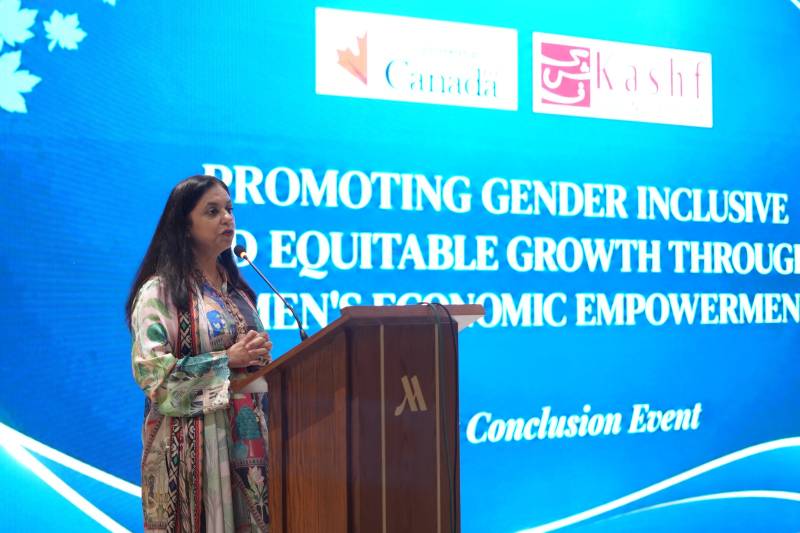
The gains were larger still for women who completed business acceleration training. They earned 26% more than women who had taken a loan with no training at all.
For households living on modest incomes, margins of this size can make a real difference to financial security.
From Earning to Deciding
Higher income matters most when a woman has a say in how it is used. Here too, the assessment recorded progress.
After business acceleration training, more than one-third of participants said they decided where and how to save, and 33% were managing their businesses independently.
The effects reached the home. Some 94.5% of surveyed clients reported greater inclusion of women in household decision-making, while 83.4% said their families supported their businesses.
The Support System Around the Skills
Training was reinforced by work with families and communities. Maternal and reproductive health training reached women, men and mothers-in-law, gender training was provided to both men and women, and 88% of men reported changed views on gender roles through social theatre.
Television dramas on family planning, girls' education and cybercrime extended these conversations further, each reaching an average of more than 120 million viewers.
Perspectives on the Partnership
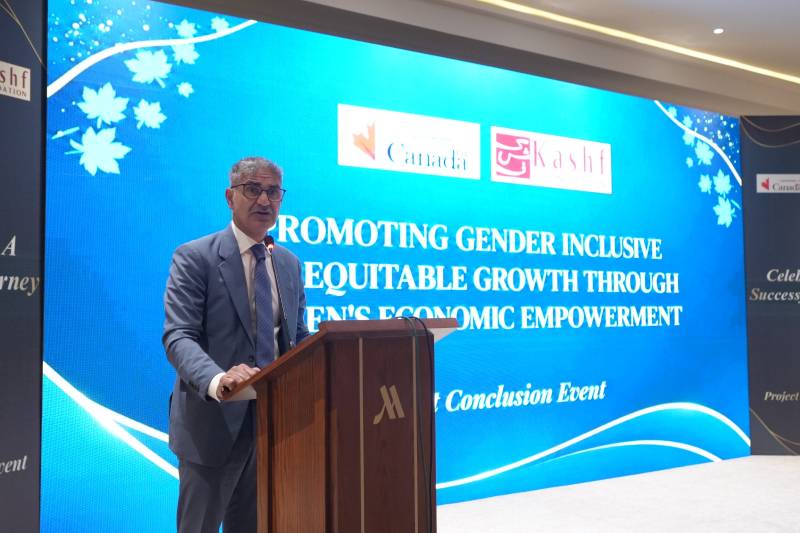
H.E. Tarik Ali Khan, High Commissioner of Canada to Pakistan, said Kashf Foundation had always approached women's economic empowerment as a matter for the whole household.
“GAC is proud to have supported that approach and to have seen how economic opportunity, skills and changes in social norms can work together,” he said.
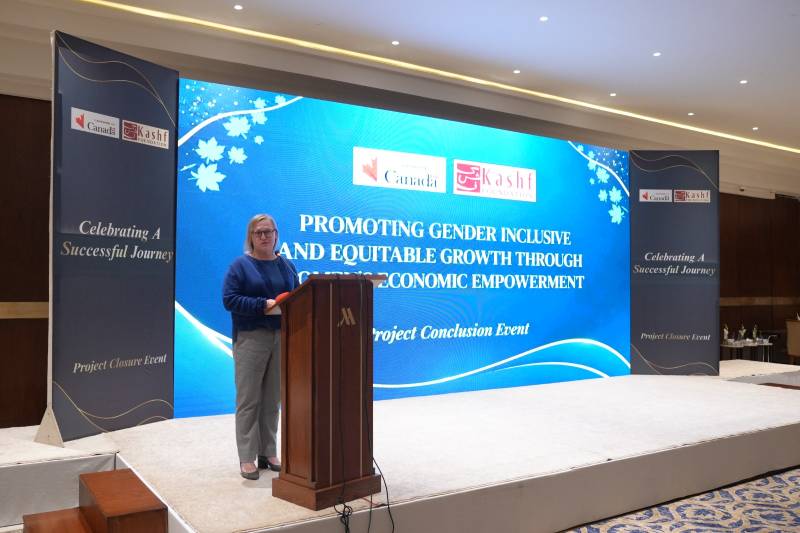
Harriet Roos, Head of Cooperation at the High Commission of Canada, stressed that sustained commitment is what makes change last.
“The evidence from this partnership shows the value of investing not only in women’s access to finance, but also in the skills, relationships and support systems that enable them to use those opportunities.”
For Kashf Foundation, which began in 1996 with five clients and now serves 1.2 million active clients across Pakistan, the findings confirm the approach it has pursued for years.
“Ten years ago, with the support of Global Affairs Canada, we set out to prove that when women move forward, families prosper, communities strengthen and economies grow,” said Roshaneh Zafar, Founder and Managing Director of Kashf Foundation. “We’ve seen and made the impact. Now it’s time for policymakers and businesses to take these lessons to scale.”
A Model for Sustainable Women's Economic Empowerment
The partnership's findings offer valuable lessons for financial institutions, policymakers and development organisations seeking to expand women's economic participation in Pakistan.
By combining access to finance with financial literacy, business development and wider support systems, Kashf Foundation and Global Affairs Canada have demonstrated how an integrated approach can strengthen women's economic independence and create more sustainable livelihoods.
The results make a compelling case for scaling this model, recognising that the greatest impact comes not from any single intervention, but from bringing together the financial resources, skills and support that enable women entrepreneurs to thrive.