

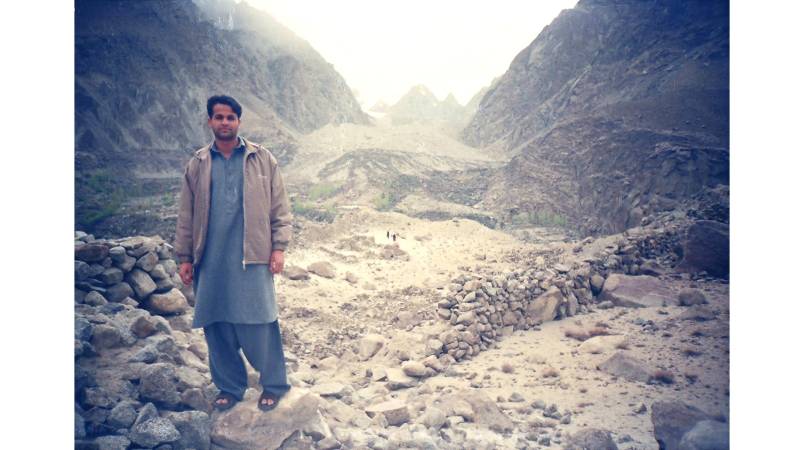
My memories of Gojal date back to 2000, when I first visited the valley as part of an IUCN research team studying customary laws in the Northern Areas, now known as Gilgit-Baltistan. Two other team members were my classmates. We stayed at the Silk Route Lodge in Gulmit town, overlooking the Hunza River. It was my first introduction to the rich culture, history, and heritage of the Wakhi people.
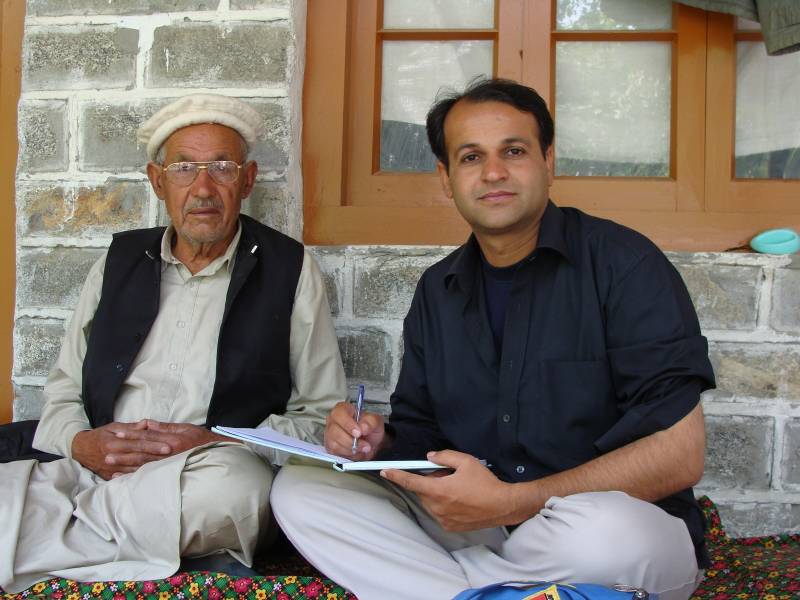
During our research, I visited several villages, including Shishkat (inhabited by both Burusho and Wakhi people), Ghulkin, Borith, Passu, Hussaini, Khyber (inhabited by Burusho and Wakhi people), and Sost. I also travelled to villages in the Chipurson and Misgar valleys, where I met local people and learned about their culture and heritage. I returned to Gojal in 2001 to verify the data we had collected during our first visit. What began as a research assignment gradually developed into a lasting interest in Wakhi culture and heritage, bringing me back to the valley several times in the following years.
The Wakhi Culture and Community
During my first visit to Gulmit in the Gojal Valley in 2000, I became friends with Afzal Khan, who played an important role in introducing me to Wakhi culture, history, and heritage. He became one of my most important key informants and helped me understand Wakhi cultural life. He accompanied me to different places and introduced me to people in Gulmit and other Gojal villages, where I learned about local customs, festivals, rituals, folklore, and everyday life.
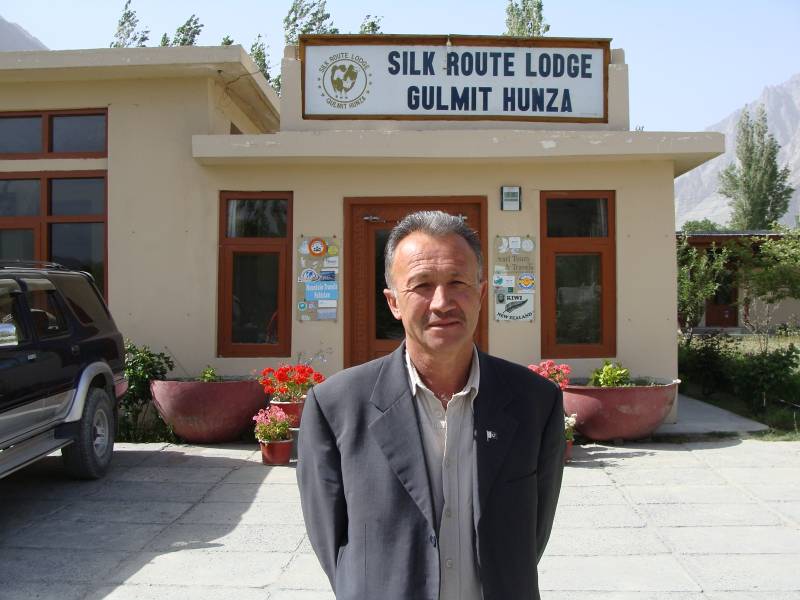
Through him, I also met people who shared their knowledge of Wakhi traditions, historic buildings, and village history. It was through Afzal Khan that I first met Ibadat Shah in 2000, whom I met again in 2009 while researching the cultural heritage of the Wakhi community. Even after the IUCN research project ended in 2001, my friendship with Afzal Khan continued. I returned to Gojal in 2004, 2007, 2009, 2013, 2016, and 2023. We are still in contact and often discuss how Wakhi culture and life in the Gojal Valley have changed over the years.
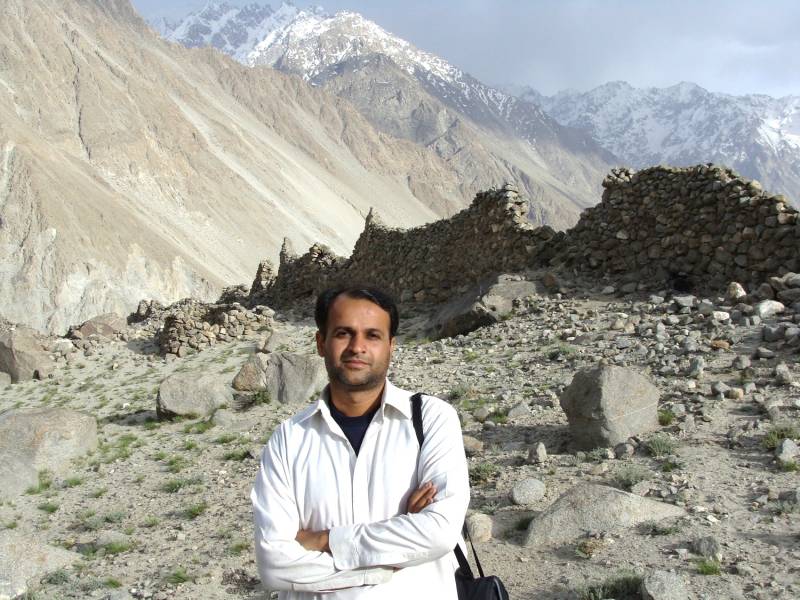
To defend against Kyrgyz invaders and the Mirs of Hunza, early rulers constructed formidable gates and fortresses
The Wakhi people are known for their distinctive culture, music, food, and festivals. They inhabit Wakhan in north-eastern Afghanistan as well as several remote valleys of northern Pakistan. In Pakistan, the Wakhi community live in the Upper Yarkhun Valley in Chitral, Imit village in Ghizer district, and the Gojal Valley in Hunza, where they make up the majority of the population. Except for Misgar, which is predominantly inhabited by Burushaski speakers, most villages in Gojal are Wakhi-speaking. In recent years, educated Wakhi youth have established several associations to preserve and promote their cultural heritage. Despite these efforts, many aspects of Wakhi tangible and intangible heritage remain insufficiently documented. Their historic wooden architecture, particularly houses and mosques, deserves greater attention.
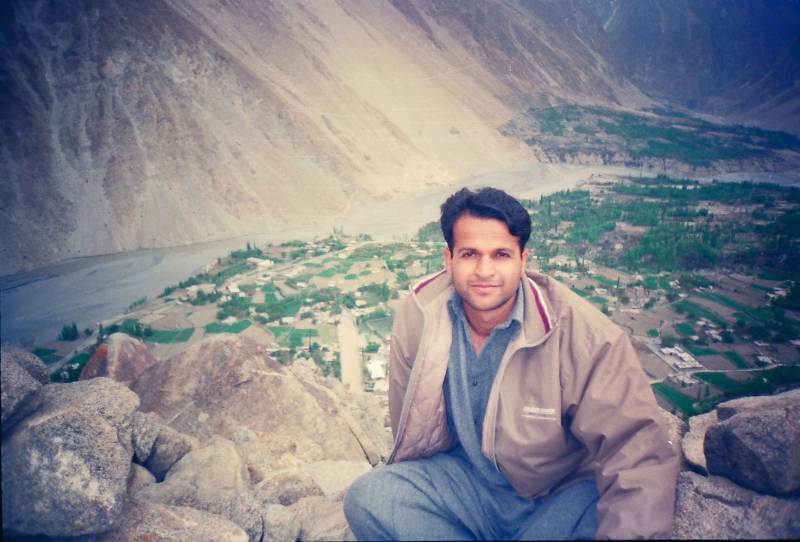
Historic Fortresses and Architecture
The Gojal Valley reflects the peculiar character of Wakhi culture and art. It is host to many historic buildings erected in the 17th, 18th, 19th, and 20th centuries. Gulmit, Ghulkin, Morkhoon, Gircha, Sost, Misgar, Shimshal, and Chipurson are a few villages with many such structures. Among these are the Palace of Mir of Hunza; the Bai Nazar Maktab; an old house and Ondra Fort in Gulmit; the Qirghiz Bai House in Ghulkin; an old house in Gircha; the remnants of the houses of Mamu Singh (the first settler of the Shimshal valley); and Qalandarchi Fort in Misgar.
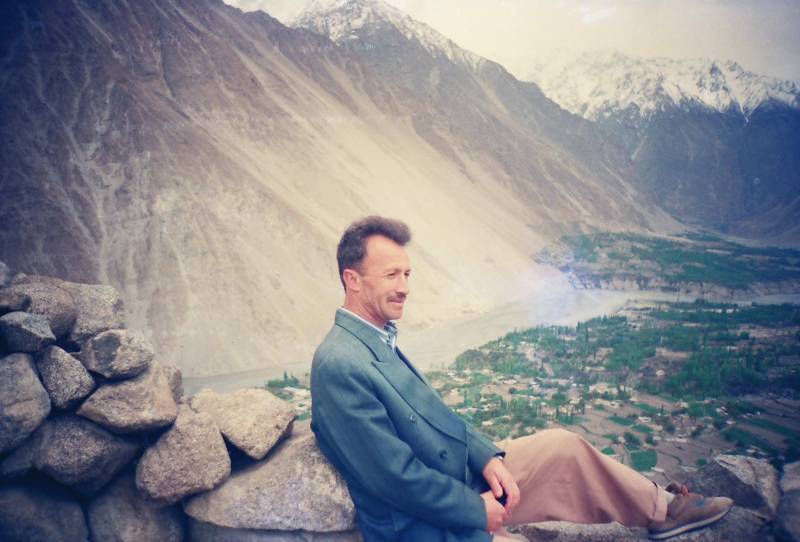
Many fortresses stand in the Gojal Valley, including Qalandarchi Fort in the Misgar valley and Rashit fortress in the Chipurson valley. However, the Ondra fortress is more prominent than the others. This fortress is perched on Ondra hill overlooking Gulmit and Ghulkin villages.
Many contradictory dates for the fortress's construction come from oral traditions within the Wakhi community of Gulmit. It is unclear who ruled Hunza when the fort was built. It is also difficult to reach conclusions about Qutlugh Beg's rule and arrival in Gulmit: whether he invaded Gulmit from Hunza or came all the way from Wakhan. These are some of the key questions that need investigation.
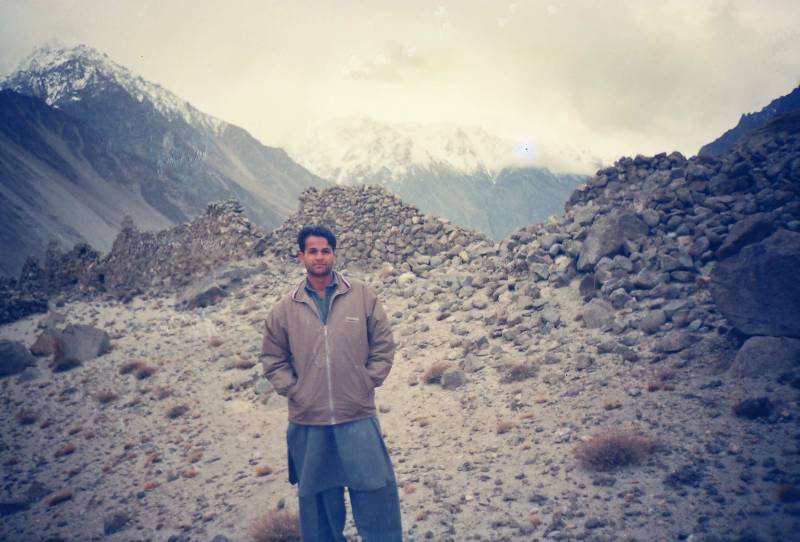
Local people believe he was the first Wakhi ruler to establish rule in Gulmit, threatening the Mirs of Hunza. This, again, is a claim that needs corroboration with written records, which are hard to find for Qutlugh Beg’s reign and his probable construction of a fortress. Local people believe that, before him, the Mir of Hunza controlled Gulmit, though many oral historians of Gulmit and other Wakhi villages do not know his name. A few name Azhur Jamshid as the ruler of Gilgit under whose dominion Hunza lay, and that he lived many centuries before Qutlugh Beg.
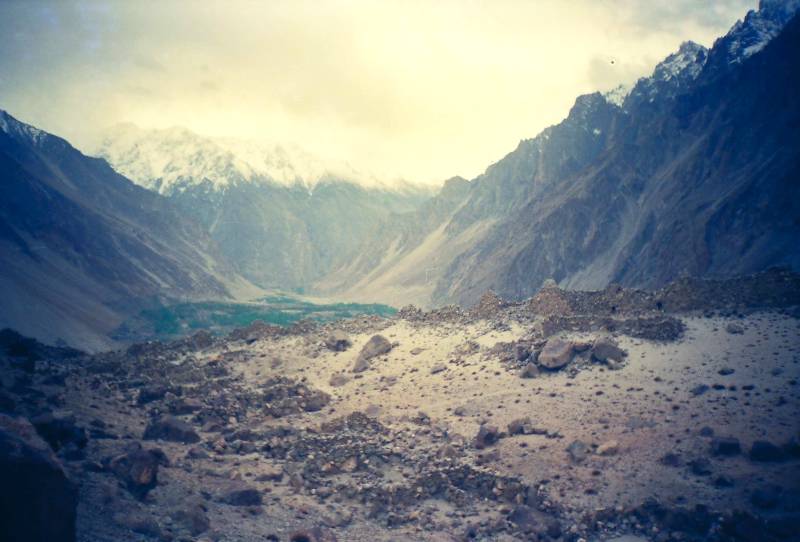
According to oral historians I interviewed, Qutlugh Beg's territory began at Khyber village and ended at Chaman Gul. To secure his territory from invaders, he built two gates, one at Khyber village and the other at Chaman Gul village, which were closed at night and opened during the day. In times of war, he closed them firmly, keeping enemies out of his realm.
To rein in the probable advance of enemies from north and south, he built the Ondra fortress. To the north lay the State of Hunza, and to the south the Kyrgyz invaders, who used to attack Gulmit to control the pastures for their livestock.
Changing Landscapes
Standing among the ruins of the Ondra in 2000, I looked down at Gulmit on one side and Ghulkin and, as far as Passu cones, on the other. Gulmit of 2000 and 2001 has now transformed. When I revisited in 2004 and later in 2007, 2009, 2013, 2016, and 2023, I observed that a few wooden monuments had been restored.
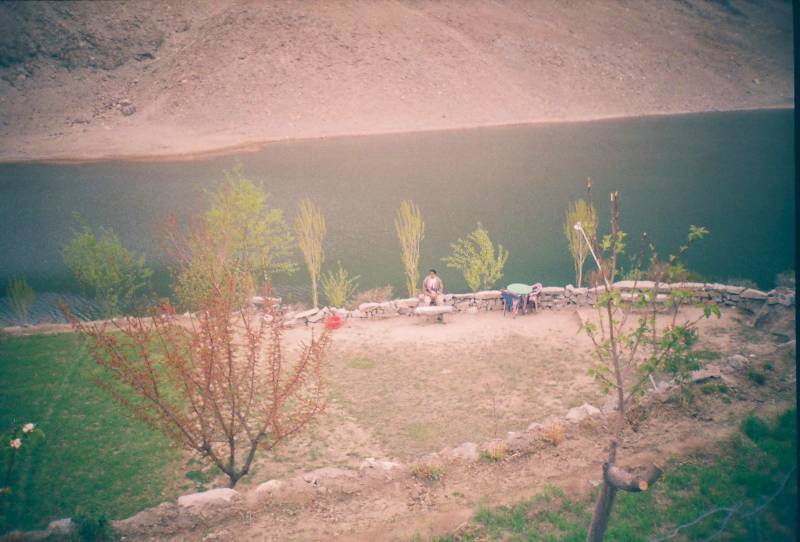
Apart from visiting historic buildings and villages in Gojal, I also spent time exploring its beautiful lakes and mountain landscapes. During my visits in 2000 and 2001, I visited Borith Lake, Passu Lake, and Passu Glacier.
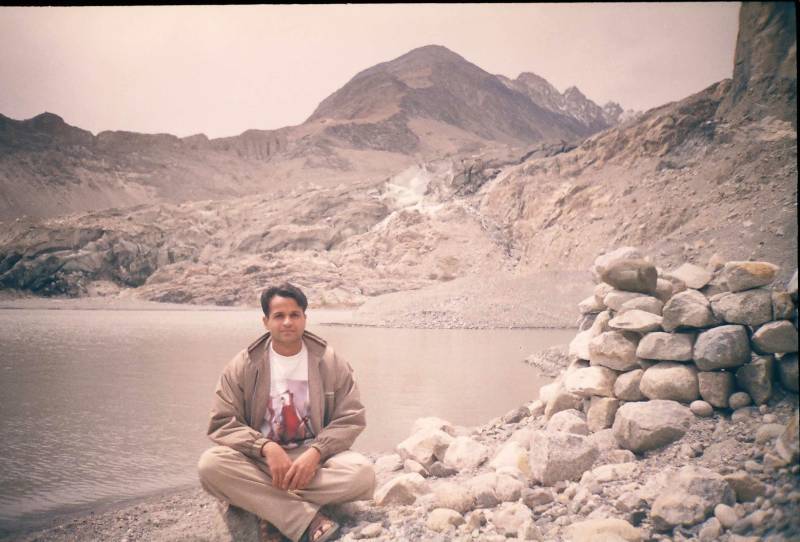
Of these places, Borith Lake and Passu Lake fascinated me the most. Whenever I had free time from my research, I visited one of these lakes, where I enjoyed spending time away from the villages and my research. I particularly remember my visits to Borith Lake, which attracted me not only for its natural beauty but also for the traces of the past I discovered nearby. During one of these visits, I discovered a rock art site near the lake that I will discuss in another article.