

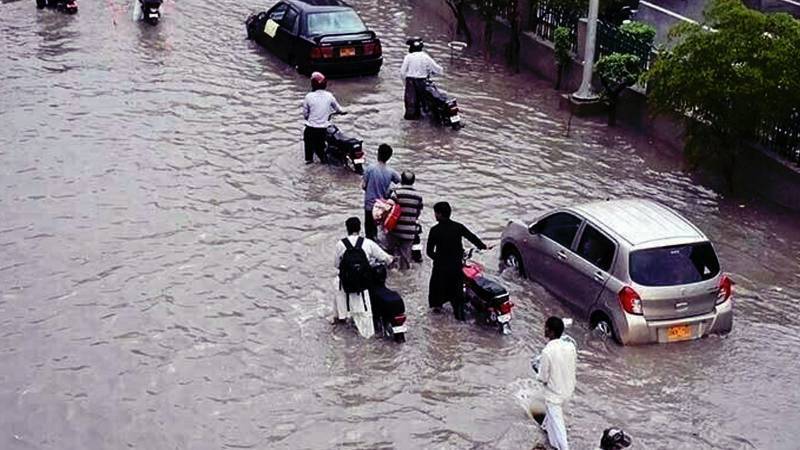
Every few years, Pakistan sounds the alarm of a “Very High Flood” or a “Superflood.” But repetition breeds doubt. When the river truly rises, will anyone be ready?
At first glance, this debate might seem dry, technical, and the domain of water managers. In reality, it cuts to the core of national and provincial resilience: the failure or survival of infrastructure, the saving or losing of thousands of lives, and the way each flood pushes millions of people deeper into debt-poverty traps. Worse still, every disaster drives Pakistan itself further into debt, as billions are borrowed for relief and recovery, yet without delivering the structural and organisational improvements that could reduce future risks.
Flood warnings are meant to protect lives and livelihoods. In Pakistan, the system uses terms like “Normal Flood,” “Low Flood,” “Medium Flood,” “High Flood,” “Very High Flood,” and “Super Flood” to signal the severity of river discharges. Each label is supposed to carry a clear message: from calm reassurance to urgent mobilisation.
A “Normal Flood” signals that everything is under control. It happens frequently, and the system is designed to manage it. The public can rest easy. At the other extreme, terms like “Very High Flood” and “Super Flood” are intended to convey a crisis: mobilise resources, prepare for evacuations, and take protective measures. These are rare events that demand immediate attention.
In principle, this system works. Flood classes are linked to river discharges and the frequency with which they occur. Low discharges happen often and warrant minimal concern. High discharges happen rarely and warrant high-level warnings. Ideally, the highest alerts are reserved for very rare, extreme events because repeated high-level alarms can create anxiety, confusion, and erosion of public trust.
This brings to mind the story of the boy who cried wolf. A shepherd boy cries “Wolf!” at every rustle in the bushes. Villagers rush to help, but each time, it is nothing. Over time, they stop believing him. When a real wolf appears, they hesitate, and the flock is lost. Overused warnings lose their credibility.
The real danger is not just the floods themselves, it is our inability to communicate and manage them effectively
Pakistan’s flood warnings increasingly resemble this story. Floods that occur once a year are labelled “High Floods,” signalling exceptional danger. Floods every few years are called “Very High Floods” or even “Super Floods.” Warnings intended for extreme situations are raised too frequently, eroding trust. When a true crisis arrives, will anyone respond?
This pattern points to two possibilities.
The first issue is, the flood classifications themselves may be overly cautious. If a “Super Flood” is raised every five years, the terminology loses credibility. A “Super Flood” should be reserved for truly exceptional events, perhaps once in 50 or 100 years, when river flows genuinely exceed the design capacity of embankments and emergency measures. Redefining the classes would restore meaning to the warnings, reduce unnecessary anxiety, and allow both the public and policymakers to distinguish between routine stress and true crisis.
The second issue, and more concerning, perhaps the alarms are not exaggerated at all. If floods that occur every five years genuinely overwhelm the system, the problem lies in infrastructure, management, and political will, not semantics. Embankments that fail, drainage systems that clog, insufficient budgets, and governance that prioritises short-term fixes over long-term resilience all contribute to turning manageable floods into emergencies. A system of this scale should manage frequent floods without triggering public panic. Its repeated failure suggests a serious structural flaw in how Pakistan manages its rivers and floodplains.
Steps forward are clear. First, Pakistan must redefine its flood classes. Warnings should be based on realistic hydrological thresholds and recurrence intervals, so that each category carries weight. The public and decision-makers alike need to recognise the difference between routine floods and rare, extreme events.
Second, the government should audit the system’s capacity. Embankments, barrages, and floodplains must be assessed against the levels of flooding they were originally designed to handle. Weak points should be identified, and upgrades prioritised, so that ordinary floods no longer overwhelm the system.
Finally, there is an urgent need to invest in resilience. Equally emphasising the strengthening of physical infrastructure, maintaining critical flood defences, as well as building local preparedness. Regular floods should be absorbed without panic, while only truly extreme events should trigger crisis measures.
Until these steps are taken, Pakistan will continue to face a “cry-wolf” problem: frequent high-level alarms will desensitise the public and weaken institutional credibility. The real danger is not just the floods themselves, it is our inability to communicate and manage them effectively. Only by aligning warnings with true risk and ensuring systems can cope can Pakistan protect its people and reduce the human and economic toll of flooding.